
Contents
Overview
The concept of continuous support during childbirth has deep historical roots, predating modern medicalization. Ancient traditions across various cultures recognized the value of experienced women guiding new mothers through labor and the postpartum period. The modern doula movement gained momentum in the 1960s and 1970s, influenced by anthropologist Dana Raphael's work on the importance of the 'social network' during childbirth and Paula Stone Hammersmith's research highlighting the benefits of continuous labor support. Early pioneers like Deborah Donovan and Paula Stone Hammersmith began formalizing training and advocating for doulas within the medical system, laying the groundwork for organizations like DONA International which emerged in 1992, standardizing certification and professional practices.
⚙️ How It Works
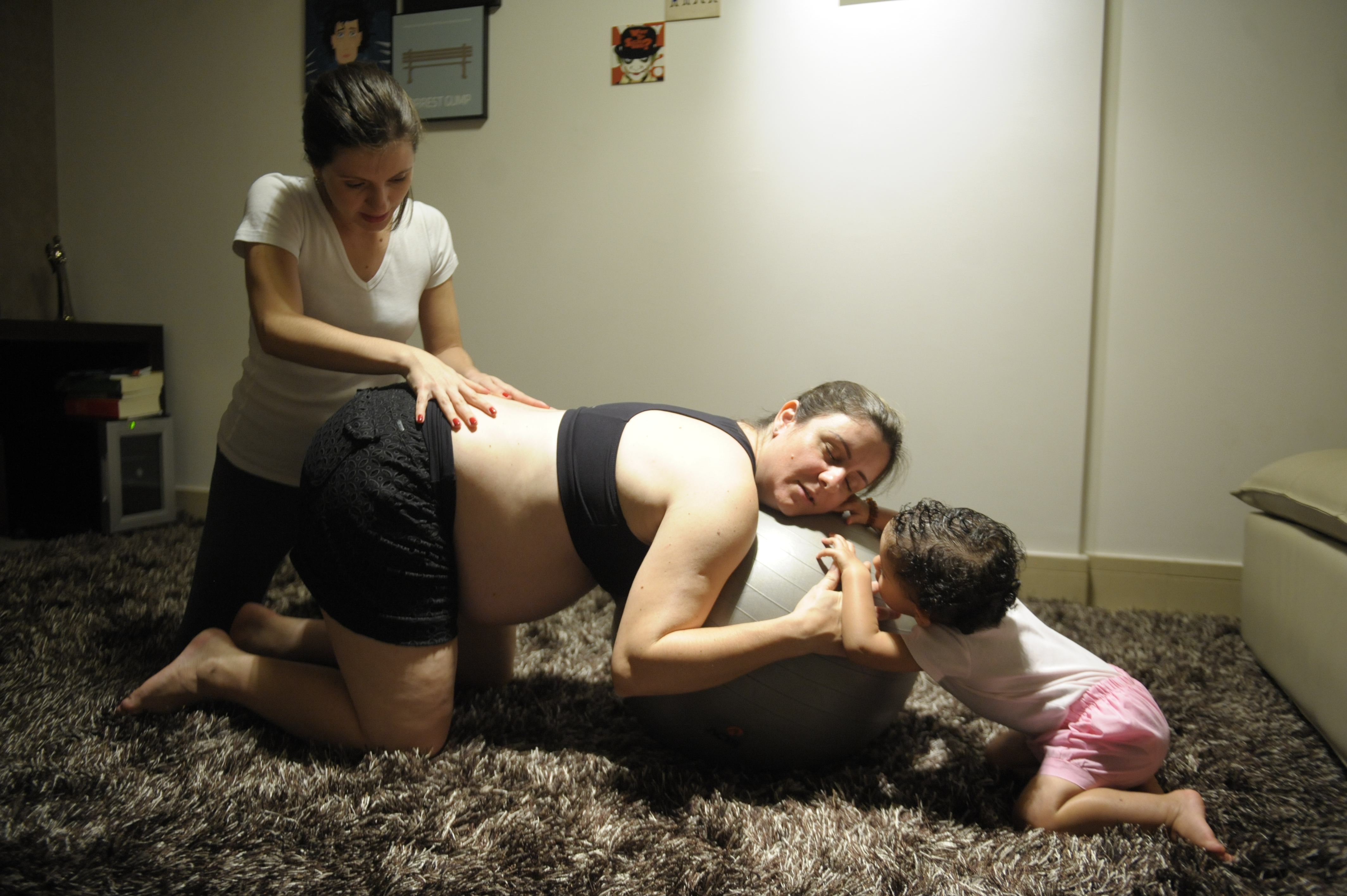
Doula services are fundamentally about providing non-medical, continuous support. A birth doula typically meets with expectant parents prenatally to discuss birth preferences, pain management techniques, and emotional needs, often creating a birth plan. During labor, the doula offers physical comfort through massage, positioning, and counter-pressure, as well as emotional encouragement and advocacy, ensuring the birthing person's voice is heard. Postpartum doulas assist families in the crucial weeks after birth, offering support with infant care, breastfeeding, light household tasks, and emotional adjustment. The relationship is built on trust and communication, aiming to empower the client and enhance their overall experience, complementing the roles of midwives and obstetricians.
📊 Key Facts & Numbers
Globally, the impact of doula services is increasingly quantified. Studies have shown that continuous labor support by doulas can decrease the likelihood of cesarean births and epidural requests. Families utilizing doula services report higher satisfaction rates, with many feeling more positive about their birth experience. The postpartum period also sees significant benefits, with doula support linked to improved breastfeeding rates and reduced instances of postpartum depression. The figure of births involving a doula in the United States has steadily risen over the past decade, indicating growing demand and acceptance.
👥 Key People & Organizations
Key figures in the modern doula movement include Dr. Dana Raphael, whose anthropological research illuminated the 'mothering the mother' concept, and Paula Stone Hammersmith, a foundational figure in establishing professional doula training and certification. Organizations like DONA International (founded 1992), International Childbirth Education Association (ICEA), and Childbirth and Postpartum Professional Association (CAPPA) have been instrumental in developing training standards, certification processes, and ethical guidelines for doulas worldwide. More recent organizations like Birthworkers of Color and Ancient Song Doula Services are actively working to increase access and representation within the doula profession, addressing historical inequities.
🌍 Cultural Impact & Influence
Doula services have profoundly influenced cultural perceptions of childbirth and postpartum care, shifting the narrative from a purely medical event to a holistic, family-centered experience. They have fostered greater awareness of the emotional and psychological needs of birthing individuals and new parents, encouraging more active participation in decision-making. The rise of doulas has also spurred conversations about maternal mortality rates, particularly among marginalized communities, highlighting the need for comprehensive support systems. Media portrayals, from documentaries like 'The Business of Being Born' to various television shows, have further amplified the visibility and cultural resonance of doula care, making it a more mainstream concept.
⚡ Current State & Latest Developments
The current landscape of doula services is marked by rapid growth and increasing integration into mainstream healthcare. Many hospitals and insurance providers are beginning to recognize and cover doula care, acknowledging its cost-effectiveness and positive health outcomes. The COVID-19 pandemic accelerated the adoption of virtual doula support, expanding accessibility for those in remote areas or with mobility limitations. There's also a growing emphasis on specialized doula care, including bereavement doulas for families experiencing loss, fertility doulas, and adoption doulas, demonstrating the adaptability and expanding scope of the profession.
🤔 Controversies & Debates
Despite widespread acceptance, doula services face ongoing controversies and debates. Some critics question the extent to which doulas can truly influence medical outcomes, emphasizing the primary role of medical providers. Ethical considerations also arise regarding scope of practice boundaries, ensuring doulas do not overstep into medical advice or diagnosis, and addressing potential conflicts of interest when doulas are also lactation consultants or childbirth educators. Ensuring equitable access to doula services for low-income families and communities of color remains a significant challenge.
🔮 Future Outlook & Predictions
The future of doula services appears poised for continued expansion and deeper integration into healthcare systems. Projections suggest an increasing number of insurance providers will offer coverage for doula care, driven by evidence of improved outcomes and cost savings. We can anticipate further development of specialized doula roles, catering to diverse needs beyond traditional birth and postpartum support. Technological advancements will likely enhance telehealth options, making doula support more accessible globally. There's also a growing movement towards community-based doula programs aimed at addressing health disparities and improving maternal and infant health outcomes in underserved populations, potentially leading to policy changes and increased public funding.
💡 Practical Applications
Doula services offer practical applications across various stages of family planning and parenting. For expectant parents, they provide invaluable prenatal education, birth planning assistance, and emotional preparation. During labor, doulas offer hands-on comfort measures and advocacy, helping to create a more positive and supported birth experience. In the postpartum period, doulas assist with newborn care, breastfeeding support, and parental emotional well-being, easing the transition into parenthood. They can also be instrumental for families navigating high-risk pregnancies, perinatal loss, or adoption processes. The skills and support provided by doulas are applicable in hospital, birth center, and home birth settings alike.
Key Facts
- Category
- birth-doulas
- Type
- topic