
Contents
Overview
Doula support encompasses a range of non-medical services provided by trained professionals to guide and comfort individuals through significant life events, most notably childbirth. These professionals, known as doulas, offer emotional, physical, and informational assistance to expectant parents and their families, complementing the care provided by medical practitioners like doctors and midwives. The role of a doula is to empower clients, ensuring they feel safe, informed, and supported throughout their journey, from pregnancy and labor to the postpartum period. While not providing medical advice or interventions, doulas are instrumental in advocating for client wishes, facilitating comfort measures, and fostering a positive birth experience. The practice has roots in ancient traditions of female support during childbirth and has seen a resurgence in modern times, with various training and certification pathways available globally.
🎵 Origins & History
The concept of doula support traces its lineage back to ancient traditions where experienced women in a community provided essential guidance and comfort to those undergoing childbirth. Historically, this role was often filled by elder women or midwives who possessed generational knowledge of pregnancy and birth. In the Western world, the modern doula movement gained significant traction in the late 20th century. Organizations such as DONA International (Doulas of North America) were established to standardize training and certification for doulas, formally reintroducing the doula as a vital component of the birth team, distinct from medical providers. This revival aimed to counteract the increasingly medicalized and often impersonal nature of hospital births, re-centering the birthing person's experience.
⚙️ How It Works
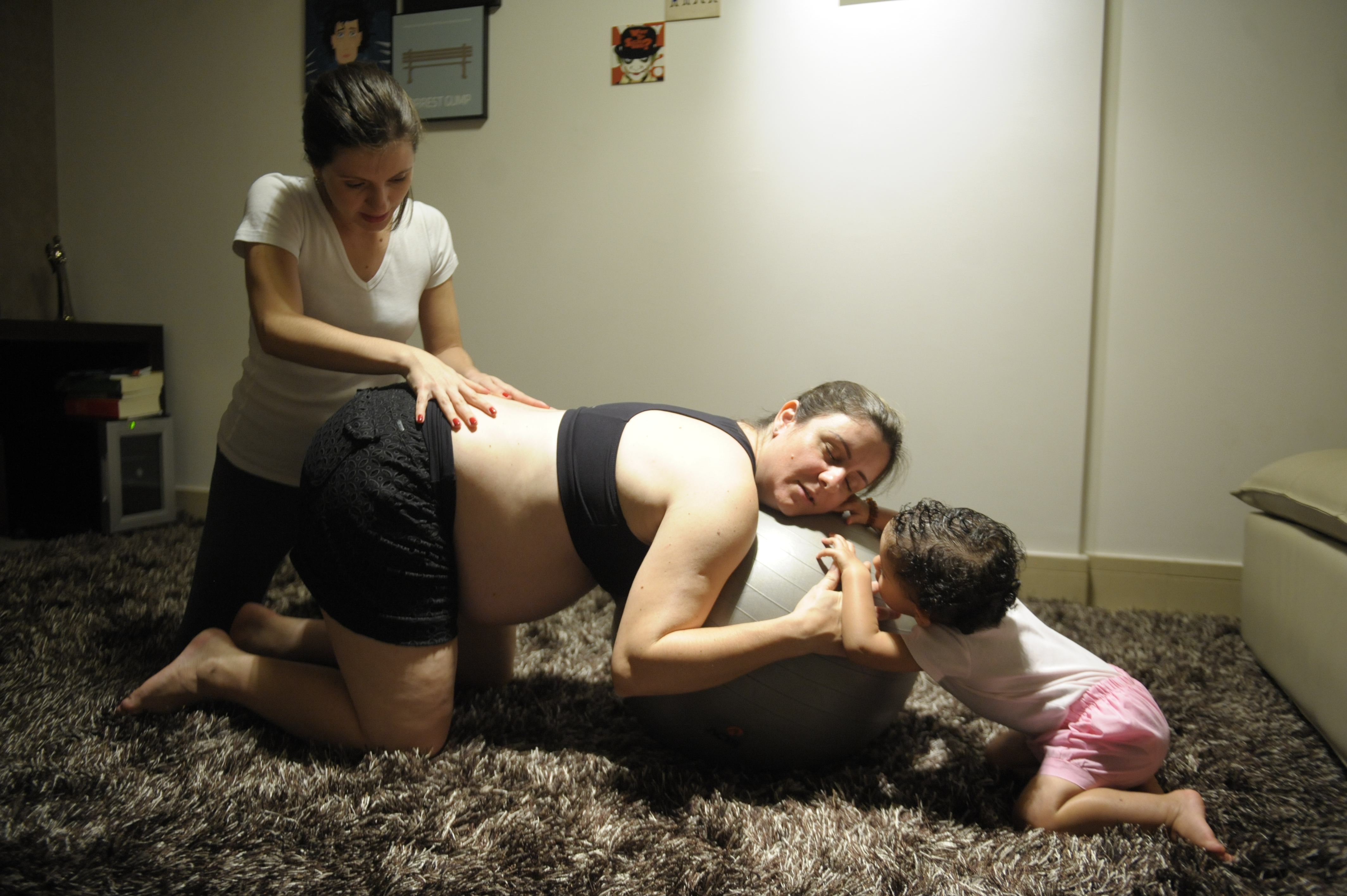
Doula support is fundamentally about continuous, non-medical assistance. A birth doula typically meets with expectant parents prenatally to discuss birth preferences, build rapport, and educate them on labor processes and comfort measures. During labor, the doula provides unwavering emotional support, offering encouragement and reassurance, while also employing physical techniques like massage, counter-pressure, and positioning to ease discomfort. They act as a vital link between the birthing person, their partner, and the medical staff, helping to communicate needs and ensure birth plans are respected. Postpartum doulas continue this support at home, assisting with infant care, maternal recovery, and emotional well-being, helping families navigate the transition into parenthood. This comprehensive approach ensures that the physical and emotional needs of the entire family unit are addressed.
📊 Key Facts & Numbers
Globally, the demand for doula services is on the rise. The percentage of births attended by doulas in the US has steadily increased over the past two decades. Studies have shown that continuous labor support from a doula can decrease the likelihood of Cesarean birth and reduce the need for pain medication. Furthermore, births with doula support have been associated with decreases in the use of oxytocin and epidurals, and an increase in spontaneous vaginal births. The postpartum period also sees significant benefits, with doula support linked to improved maternal mental health and increased breastfeeding initiation rates.
👥 Key People & Organizations
Several key individuals and organizations have shaped the landscape of modern doula support. DONA International remains one of the largest and most influential certifying bodies. Other significant organizations include CAPPA (Childbirth and Postpartum Professional Association) and To Labor With Love, which have contributed to professionalizing the field through standardized curricula and ethical guidelines. These entities collectively work to train, certify, and support doulas worldwide.
🌍 Cultural Impact & Influence
Doula support has profoundly influenced societal perceptions of childbirth, shifting the focus from a purely medical event to a more holistic and family-centered experience. The presence of doulas in birth spaces has encouraged greater patient advocacy and informed consent, empowering individuals to actively participate in their birth decisions. This influence extends to media, with documentaries and television programs increasingly featuring doulas, raising public awareness and normalizing their role. Culturally, doula support is being adapted to meet the needs of diverse populations, including immigrant communities and marginalized groups, with initiatives aimed at increasing access to culturally sensitive care. The growing recognition of doulas by healthcare systems and insurance providers also signifies a broader cultural acceptance of non-medical support in reproductive health.
⚡ Current State & Latest Developments
The field of doula support is experiencing dynamic growth and integration into mainstream healthcare. The COVID-19 pandemic also accelerated the adoption of virtual doula support, with many doulas offering remote consultations and labor support via video conferencing, expanding accessibility beyond geographical limitations. This technological integration, coupled with policy changes, marks a significant shift in how doula care is perceived and delivered.
🤔 Controversies & Debates
Despite its growing acceptance, doula support is not without its controversies and debates. A primary point of contention revolves around the standardization and regulation of doula training and certification, with varying levels of rigor across different organizations and countries, leading to concerns about quality control and client safety. Some critics question the extent to which doulas should be integrated into medical settings, raising debates about scope of practice and potential conflicts with the roles of certified nurses-midwives and obstetricians. There are also ongoing discussions about equitable access to doula care, particularly for low-income families and minority groups, who may face financial barriers to accessing these services, despite efforts to secure insurance coverage and public funding.
🔮 Future Outlook & Predictions
The future of doula support appears poised for continued expansion and deeper integration into healthcare systems. Projections suggest an increasing number of insurance providers and government health programs will cover doula services, driven by evidence of improved birth outcomes and reduced healthcare costs. We can anticipate further development in specialized doula roles, such as perinatal mental health doulas and doulas specializing in loss and grief support. The ongoing evolution of telehealth will likely solidify virtual doula support as a permanent option, enhancing accessibility for remote or homebound clients. Furthermore, research into the long-term impacts of doula support on maternal and child health will continue to inform policy and practice, solidifying the doula's role as an indispensable part of the perinatal care continuum.
💡 Practical Applications
Doula support offers tangible benefits across various practical applications in perinatal care. For expectant parents, it translates to enhanced confidence and preparedness for labor and birth, often leading to more positive birth experiences and reduced rates of interventions like cesarean sections. In the postpartum phase, doulas provide crucial support for new parents, aiding in infant feeding, recovery, and emotional adjustment, which can mitigate risks of postpartum depression. Healthcare providers benefit from doulas as advocates who help ensure clients' needs are met and birth plans are followed, potentially leading to smoother labor management and increased patient satisfaction. Public health initiatives are increasingly recognizing doulas as a cost-effective strategy to improve maternal and infant health outcomes, particularly within underserved communities, by addressing disparities in care access and quality.
Key Facts
- Category
- birth-doulas
- Type
- topic