
Summary
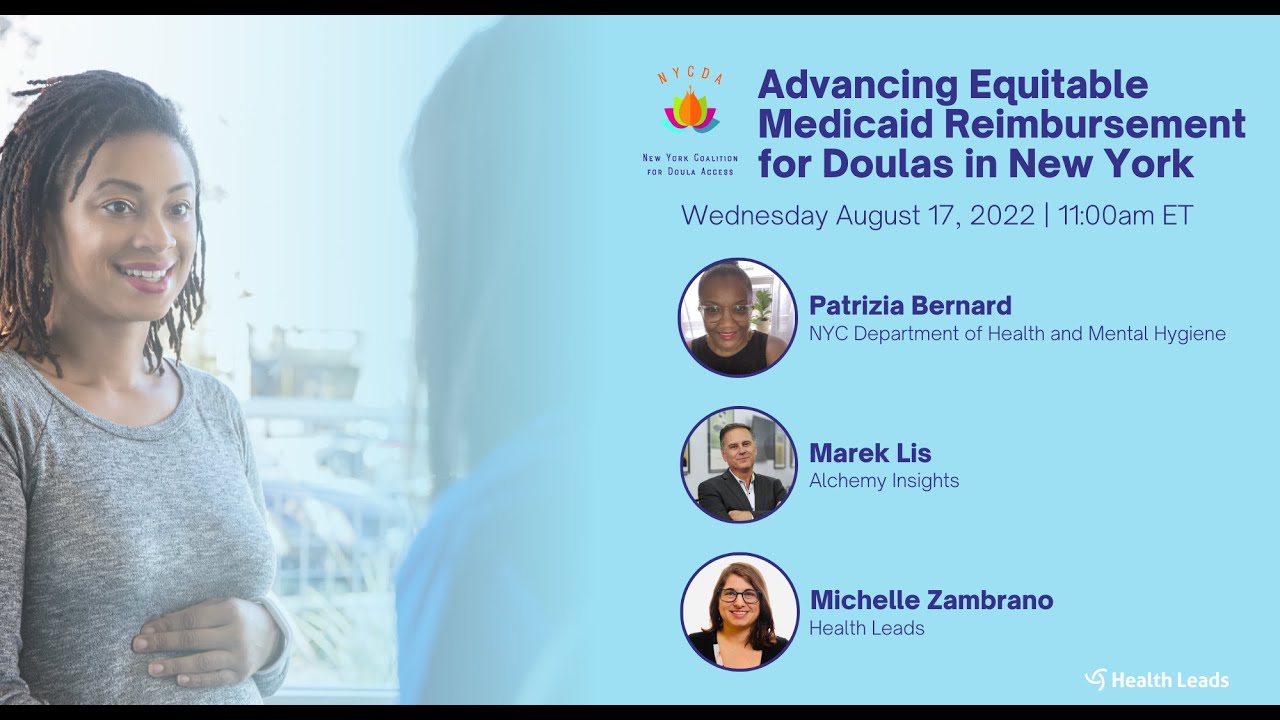
The **National Health Law Program**'s Doula Medicaid Project has been tracking Medicaid coverage for doula care legislation since 2018. In 2023, **four states** (Michigan, California, Oklahoma, Massachusetts) rolled out Medicaid coverage for doula care, while **three states** (Michigan, California, Massachusetts, and Minnesota) issued statewide standing orders for Medicaid coverage. As of January 2024, **twelve states** and Washington DC have implemented Medicaid coverage for doula care. The project has found that a record number of states are embarking on efforts to expand access to doula care, with only a handful of states not taking any action. For more information on doula care, see [[doula-care|Doula Care]]. The **Medicaid** program is a key player in this effort, with many states using it to provide coverage for doula services. The **National Health Law Program** is also working to support states in their efforts to expand access to doula care, through its [[national-health-law-program|National Health Law Program]]. The trend towards expanding access to doula care is expected to continue, with many states introducing legislation to increase reimbursement rates for doula services. Some states, such as **Delaware**, are explicitly trying to ensure sustainable and equitable reimbursement rates. The **Delaware** legislation, for example, requires Medicaid coverage for doula care and specifies that the state must establish a reimbursement rate that supports a livable annual income for full-time practicing doulas. For more information on **Delaware**'s efforts, see [[delaware|Delaware]]. The expansion of doula care is also being driven by the recognition of its benefits for maternal and infant health. Studies have shown that doula care can lead to better health outcomes, including lower rates of cesarean sections and fewer complications during delivery. The **American College of Obstetricians and Gynecologists** (ACOG) has also recognized the benefits of doula care, and is working to support its expansion. For more information on ACOG, see [[american-college-of-obstetricians-and-gynecologists|American College of Obstetricians and Gynecologists]]. The **Rhode Island** and **Louisiana** legislations are also notable examples of states taking action to expand access to doula care. **Rhode Island** was the first state to implement private insurance coverage for doula care, and **Louisiana** has followed suit. For more information on **Rhode Island** and **Louisiana**'s efforts, see [[rhode-island|Rhode Island]] and [[louisiana|Louisiana]]. Overall, the expansion of doula care is a positive trend that has the potential to improve health outcomes for mothers and infants. As more states take action to expand access to doula care, it is likely that we will see continued growth in this area.
Key Takeaways
- 43 states and Washington DC have implemented Medicaid coverage for doula care, are in process to implement Medicaid coverage for doula care, or have taken some related or adjacent action
- 12 states and Washington DC have implemented Medicaid coverage for doula care as of January 2024
- Delaware passed HB 80, which requires Medicaid coverage for doula care and specifies that the state must establish a reimbursement rate that supports a livable annual income for full-time practicing doulas
- The expansion of doula care has the potential to improve health outcomes for mothers and infants, particularly in low-income and marginalized communities
- More research is needed to fully understand the benefits and limitations of doula care
Balanced Perspective
The expansion of doula care is a complex issue that involves many different stakeholders and interests. While **43 states** and Washington DC are taking action to expand access to doula care, there are still many challenges to be addressed. One of the main challenges is reimbursement rates, which can be low and make it difficult for doulas to sustain their practices. The fact that some states, such as **Delaware**, are explicitly trying to ensure sustainable and equitable reimbursement rates is a positive development, but more work needs to be done to address this issue. For more information on **Delaware**'s efforts, see [[delaware|Delaware]]. Another challenge is the lack of standardization in doula care. While some states have implemented Medicaid coverage for doula care, there is still a lack of consistency in how doula care is defined and regulated. This can make it difficult for doulas to navigate the system and for patients to access care. The **National Health Law Program**'s Doula Medicaid Project is working to address these challenges, but more work needs to be done. For more information on the project, see [[national-health-law-program|National Health Law Program]]. Overall, the expansion of doula care is a complex issue that requires careful consideration of many different factors. While there are many positive developments, there are still many challenges to be addressed. The **American College of Obstetricians and Gynecologists** (ACOG) is also working to address these challenges, and is providing resources and guidance to states. For more information on ACOG, see [[american-college-of-obstetricians-and-gynecologists|American College of Obstetricians and Gynecologists]].
Optimistic View
The expansion of doula care is a major step forward for maternal and infant health. With **43 states** and Washington DC taking action, it is clear that there is a growing recognition of the benefits of doula care. The fact that **twelve states** and Washington DC have already implemented Medicaid coverage for doula care is a testament to the progress being made. As more states introduce legislation to increase reimbursement rates, it is likely that we will see even more growth in this area. The **National Health Law Program**'s Doula Medicaid Project is playing a key role in supporting states in their efforts to expand access to doula care. For more information on the project, see [[national-health-law-program|National Health Law Program]]. The trend towards higher reimbursement rates for newly implementing states is also a positive development. This suggests that states are recognizing the value of doula care and are willing to invest in it. The fact that some states, such as **Delaware**, are explicitly trying to ensure sustainable and equitable reimbursement rates is also a positive sign. For more information on **Delaware**'s efforts, see [[delaware|Delaware]]. Overall, the expansion of doula care is a positive trend that has the potential to improve health outcomes for mothers and infants. As more states take action to expand access to doula care, it is likely that we will see continued growth in this area. The **American College of Obstetricians and Gynecologists** (ACOG) is also supporting the expansion of doula care, and is working to provide resources and guidance to states. For more information on ACOG, see [[american-college-of-obstetricians-and-gynecologists|American College of Obstetricians and Gynecologists]].
Critical View
The expansion of doula care is a well-intentioned but potentially flawed effort. While **43 states** and Washington DC are taking action to expand access to doula care, there are many potential pitfalls to consider. One of the main concerns is the lack of evidence-based research on the effectiveness of doula care. While some studies have shown positive outcomes, more research is needed to fully understand the benefits and limitations of doula care. The **National Health Law Program**'s Doula Medicaid Project is working to address these concerns, but more work needs to be done. For more information on the project, see [[national-health-law-program|National Health Law Program]]. Another concern is the potential for doula care to be used as a substitute for more comprehensive medical care. While doulas can provide valuable support and guidance, they are not a replacement for trained medical professionals. The fact that some states are implementing Medicaid coverage for doula care without ensuring that patients have access to comprehensive medical care is a concern. The **American College of Obstetricians and Gynecologists** (ACOG) is also working to address these concerns, and is providing resources and guidance to states. For more information on ACOG, see [[american-college-of-obstetricians-and-gynecologists|American College of Obstetricians and Gynecologists]]. Overall, the expansion of doula care is a complex issue that requires careful consideration of many different factors. While there are many potential benefits, there are also many potential pitfalls to consider. The **Rhode Island** and **Louisiana** legislations are also notable examples of states taking action to expand access to doula care, but more work needs to be done to ensure that doula care is being used effectively and safely. For more information on **Rhode Island** and **Louisiana**'s efforts, see [[rhode-island|Rhode Island]] and [[louisiana|Louisiana]].
Source
Originally reported by National Health Law Program